Faculty of Engineering
Industrial Biotechnology (IBT)
Study overview
Biotechnology – a future that works
Biotechnology is an exciting branch of the life sciences and combines scientific and engineering disciplines. For centuries, people have been using microorganisms or parts of them to make products such as bread, cheese, beer or wine.
Today, the targeted use of bacteria, yeasts, mammalian cells, enzymes or other biomolecules makes it possible to manufacture numerous products more efficiently and with fewer resources. Biotechnology methods are an essential building block for the bioeconomy and a sustainable circular economy.
Biotechnology as a modern key and future technology enables us to develop new and innovative products that improve our lives and conserve the earth's resources through its interdisciplinarity, with the help of nature's tools and the use of molecular biological methods.
How can we secure food for a constantly growing population?
How can we help to combat diseases and create better living conditions for everyone?
How can we conserve the earth's resources and replace energy-intensive production processes (-> white or industrial biotechnology)?
With biotechnology, you can make a difference and help solve the really important issues facing our society!
| Short form | IBT |
| Type of study | Full time |
| Duration | 7 semesters |
| Award | Bachelor of Science (B.Sc.) |
| Start of studies | Winter semester |
| Admission restrictions | None |
| Lecture location | Ansbach |
| Language of instruction | German |
| Course management | Prof. Dr. Sebastian Künzel |
| Student advisory service | Prof. Dr. Sibylle Gaisser |
And what exactly is industrial or white biotechnology?
Biotechnology can have many colours. As the methods of biotechnology are used in many areas of our lives, colours are used to differentiate between their areas of application. In addition to the well-known branches of green (agriculture and plant breeding) and red (medicine and pharmaceuticals) biotechnology, white biotechnology focuses on the application of biological processes in industrial processes.
An important aspect here is the utilisation of renewable raw materials (biomass) in order to reduce or, if possible, completely replace the use of fossil raw materials. Starch, cellulose and oils obtained from biomass can then be used as starting materials for the production of energy, fuels and bio-based products. This biotransformation is part of a sustainable circular economy.
Another focus is on replacing conventional processes with biological processes. This can reduce energy requirements and the use of raw materials. One example of this is the enzymes or biosurfactants used in the detergent industry. They can significantly reduce the temperature and duration of washing and directly save resources.
Industrial biotechnology originated in the chemical industry, where the use of this technology offered many ecological and economic advantages. Today, its areas of application are diverse and no longer limited to the chemical industry. It is also used on a large scale in food and pharmaceutical production. Both technical expertise and knowledge of biological systems form the basis for making industrial production more resource-efficient and economical, thereby helping to combat climate change and improve living conditions.
Biotechnology can have many colours. As the methods of biotechnology are used in many areas of our lives, colours are used to differentiate between their areas of application. In addition to the well-known branches of green (agriculture and plant breeding) and red (medicine and pharmaceuticals) biotechnology, white biotechnology focuses on the application of biological processes in industrial processes.
Study Industrial Biotechnology in Ansbach?
Ja, klar! Mit einem Studium der Industriellen Biotechnologie (IBT) an der Hochschule Ansbach erwirbst Du neben natur- und ingenieurwissenschaftlichen Grundlagen eine breitgefächerte Expertise in den Kompetenzfeldern Bio-Verfahrenstechnik, Molekularbiologie, Bio-Analytik, Bio-Katalyse, Lebensmitteltechnik und der Herstellung von Pharmaprodukten. Begleitend werden im Studium auch betriebswirtschaftliche Inhalte, Englisch, sowie rechtliche und ethische Aspekte behandelt. Mit einem Training in Kommunikationstechniken wird Dein Profil perfekt abgerundet.
Wir sind ein familiärer Studiengang und arbeiten in kleinen Gruppen mit individueller Betreuung. Neben den seminaristischen Vorlesungen und Übungen verbringst Du ca. die Hälfte der Zeit in verschiedenen Praktika oder bearbeitest Dein eigenes Projekt. Die hohe Praxiserfahrung wird in den Unternehmen und Forschungseinrichtungen sehr geschätzt. Die Lage des Praxissemesters ermöglicht es dir im Regelstudium, deine Präsenzzeit in Ansbach zu verkürzen und im 7. Semester nur noch für einzelne Blockveranstaltungen kommen zu müssen. Das IBT - Studium schließt Du nach der Bachelorarbeit mit dem akademischem Abschluss Bachelor of Science (B.Sc.) ab.
Industrielle Biotechnologie an der Hochschule Ansbach ist der einzige Studiengang in Deutschland mit einer derartig breiten, fundierten und praxisorientierten Ausrichtung in den Life Sciences. So fundiert und abwechslungsreich vergehen die 7 Semester wie im Flug. Und solltest Du Dich danach nicht von uns trennen können...wir bieten auch noch einen weiterführenden Master an!
Yes, of course! By studying Industrial Biotechnology (IBT) at Ansbach University of Applied Sciences, you will acquire a broad range of expertise in the fields of bioprocess engineering, molecular biology, bioanalytics, biocatalysis, food technology and the manufacture of pharmaceutical products in addition to basic scientific and engineering knowledge. The programme also covers business administration, English and legal and ethical aspects. Training in communication techniques will round off your profile perfectly.
We are an informal degree programme and work in small groups with individual support. In addition to the seminar-based lectures and exercises, you will spend around half of the time in various internships or working on your own project. The high level of practical experience is highly valued by companies and research institutions. The location of the practical semester enables you to shorten your attendance time in Ansbach during the regular study programme and only have to come for individual block courses in the 7th semester. You will complete the IBT degree programme with a Bachelor of Science (B.Sc.) after completing your Bachelor's thesis.
Industrial Biotechnology at Ansbach University of Applied Sciences is the only degree programme in Germany with such a broad, well-founded and practice-oriented focus in the life sciences. So well-founded and varied, the 7 semesters will fly by. And if you can't tear yourself away from us afterwards...we also offer a further Master's programme!
Admission requirements
Entrance qualification for universities of applied sciences, general or subject-specific higher education entrance qualification or vocational qualification (master craftsman, technician, specialist or vocational training and 3 years of professional experience in relevant training occupations).
Study structure
Biotechnology is a melting pot of various scientific and engineering disciplines. The Industrial Biotechnology (IBT) degree programme at Ansbach University of Applied Sciences combines specialist biological knowledge with technical requirements. The aim of this degree programme is to provide you as a student with a comprehensive, highly qualified and practice-oriented education so that you are ideally equipped to meet the interdisciplinary demands of the job market.
The course prepares students for work in a variety of professional fields in biotechnology and applied biosciences. The programme is geared towards learning scientific basics and methods and leads to a vocational and practice-oriented degree that will enable graduates to work independently in the field of applied research, development, production or administration.
Our most important study goals are:
- Acquiring in-depth knowledge of the fundamentals of natural sciences and engineering
- Intensive study of professional competences in the life sciences
- Applying biotechnological methods in various fields of expertise
- Acquire interdisciplinary aspects in the areas of communication technologies, law, business administration and technology assessment (ELSA)
- technology assessment (ELSA)
- Discovering individual areas of interest
- Enjoy studying and be enthusiastic about biotechnological topics and fields of research
The degree programme is modularised throughout and comprises 210 ECTS credit points. In the first two semesters, you will mainly learn content from the field of scientific and technical fundamentals. The third to fifth semesters focus on subject-specific courses. In addition to the engineering fundamentals, the core modules of our IBT degree programme come into focus and show you the versatility of our biotechnology degree programme and the opportunities it offers you.
Alongside the lectures, we provide you with intensive practical training, which comprises around half of the course hours. The practical semester takes place in the sixth semester, where you can apply the skills and knowledge you have acquired - ideally in a company. The location of the practical semester allows you to complete your Bachelor's thesis directly in the company and get off to a flying start....
Essential application areas of biotechnology can be found in the conception of the core modules of the Industrial Biotechnology course.
Further information
Career Prospects
After successfully completing their IBT studies, our graduates are able to work independently as engineers in research, development, production, quality assurance, sales and marketing, and administration. Their application-oriented, scientifically sound, professionally qualifying degree enables them to take on highly skilled specialist and management tasks in the following industries:
- Biotechnology
- Pharmaceutical industry
- Chemical industry
- Food industry
- Apparatus and plant engineering
The fields of activity in these industries include in particular
- Research and development
- Optimisation and validation of production processes
- Fermentation and processing of biotechnologically manufactured products
- Planning and construction of production facilities
- Automation of production facilities
- Operation of production facilities
- Development and validation of analytical methods
- Quality assurance and quality control
- Approval
- Marketing and sales
Future prospects
The German biotechnology industry is currently growing against the economic trend. The latest figures were published on 20 June 2024 in the 37th edition of the BioTechnologie Kursbuch (ISBN 978-3-928383-92-9). The survey conducted for 2023 – according to the criteria of the Organisation for Economic Co-operation and Development (OECD) – showed that the number of dedicated biotechnology companies in Germany grew by 22 companies to a total of 798 within one year. More than 38,100 people are currently employed in these companies, most of which are involved in research and development. Investment in research and development demonstrates confidence in further development. This is also reflected in the capital markets: 25% more than in the previous year, or just under £1.2 billion, flowed into the industry in 2023.
Source: https://biotechnologie.de/profiles/2087-biocom-interrelations-gmbh
What our alumni say...
Nathalie Ganter – Pharmaceutical Research
‘After completing a seven-semester bachelor's degree in industrial biotechnology at Ansbach University of Applied Sciences, I was hired as a technical assistant at the pharmaceutical company Boehringer Ingelheim (2016 turnover: €16 billion).’
Boehringer Ingelheim's core business is the research, development and manufacture of pharmaceuticals. My department is part of the transfer group, where we produce products for our customers (other pharmaceutical companies) on their behalf in our large-scale facilities. My daily work includes both laboratory and office tasks, which makes my working day very varied. In the laboratory, we carry out the tests necessary to implement the new customer product in our plants. In the office, we then consult with our international customers and summarise the test results in reports and presentations. The IBT programme at Ansbach University of Applied Sciences prepared me perfectly for working in the pharmaceutical industry. Thanks to the practical internships during my studies, I gained a lot of solid practical experience in the laboratory. I'm also really impressed by the professors and teaching staff, who are able to provide more intensive and individual support to students thanks to the small working groups. For these reasons, looking back, I would choose this programme again.
Daniel Christofori – PPharmaceutical production
‘The bachelor's degree programme in Industrial Biotechnology at Ansbach University of Applied Sciences was a complete success for me.’
In addition to the fundamentals covered in the first two semesters, a wide range of different core subjects are offered. This broad spectrum allowed me to identify my interests during my studies and to deepen them later on through elective subjects and project work. The professors were very committed and maintained a very personal contact with the students. A large part of the programme also consisted of internships, during which a lot of practical knowledge was imparted in manageable groups and with good supervision. The high quality and practical nature of the training was evident during my six-month internship at Roche, the world's largest biotech company. I was also able to write my bachelor's thesis there. I owe my master's degree in biotechnology/bioengineering in cooperation with Roche in Freising not least to the excellent education I received at Ansbach University of Applied Sciences.
Lina Staufer – In cancer research
‘In my opinion, the bachelor's degree programme in Industrial Biotechnology stands out above all for its wide range of practical internships.’
In the lectures, the professors provided an excellent mix of important fundamentals, practical examples and the current state of the art in technology and science. For me, studying at the Ansbach campus meant receiving a high-quality education in a friendly atmosphere. Completing my degree enabled me to bring a broad knowledge base and methodological repertoire to my job in cancer research.
Marcella Kraft – Regenerative medicine
‘The manageable size of the university and the modern equipment in the laboratories and library are good reasons to study industrial biotechnology in Ansbach.’
The small number of students also means that there is good contact with the professors, which creates a pleasant atmosphere in the department. The opportunity to sponsor a piece of equipment was a good experience, allowing me to engage more intensively with a topic such as the culture of eukaryotic cells and familiarise myself with it. This knowledge stood me in good stead during my bachelor's thesis.
Further links
Technical information
Bayerisches Staatsministeriums für Wirtschaft, Landesentwicklung und Energie: Wachstum durch Innovation
Broschüre/pdf
Biocom: Life – Science Kommunikation,
https://biocom.de/
Biodeutschland, Organisation Deutschland (Verein),
https://www.biodeutschland.org/de/verband.html
Bionity: Fachportal für Life Sciences, Biotechnologie und Pharma,
https://www.bionity.com/de/
Biotechnologie: Digitaler Mediendienst – aktuelle Biotechnologiethemen
https://biotechnologie.de/
Bundesministerium für Bildung und Forschung: Industrielle (Weiße) Biotechnologie und Bioökonomie
https://www.bmbf.de/bmbf/de/forschung/energiewende-und-nachhaltiges-wirtschaften/biooekonomie/industrielle-biotechnologie/industrielle-biotechnologie_node.html
Bundesministerium für Bildung und Forschung: Weiße Biotechnologie,
Broschüre zum download: https://www.bmbf.de/SharedDocs/Publikationen/de/bmbf/7/30256_Weisse_Biotechnologie.html
DECHEMA: Gesellschaft für Chemische Technik und Biotechnologie e.V., gemeinnützige Fachgesellschaft
https://dechema.de/
DIB: Deutsche Biotechnologievereinigung des VCI (Verband der chemischen Industrie e.V.)
https://www.vci.de/themen/biotechnologie/inhaltsseite-806.jsp
Transgen: Transparente Gentechnik
https://www.transgen.de/
VDI: Verein Deutscher Ingenieur*Innen e.V. - Fachbereich Biotechnologie
https://www.vdi.de/tg-fachgesellschaften/vdi-gesellschaft-technologies-of-life-sciences/biotechnologie
vfa: Verband forschender Pharma-Unternehmen
https://www.vfa.de/
Information about the job description
Bundesagentur für Arbeit: Studium Biotechnologie
Video, https://www.youtube.com/watch?v=fVGybEEKQ9E
Indeed: Biotechnologie-Studium: Worum geht es und für wen ist es ideal? Informationen zum Berufsbild, Ausbildungsweg, Jobportal
https://de.indeed.com/karriere-guide/jobsuche/biotechnologie-studium
Jobvector: Verdienst als Biotechnologe, Informationen zum Berufsbild inbesondere Verdienstmöglichkeiten, Jobportal für Ingenieure, Informatiker, Mediziner & Naturwissenschaftler.
https://www.jobvector.de/gehalt/biotechnologie/
Company Pages
BASF: Weisse Biotechnologie - verschiedene Video - Clips
https://www.tvservice.basf.com/portal/basf/de/dt.jsp?setCursor=1_211615_489139&cursorPath=%7C481768%7C483969
Bayer: Biorevolution
https://www.bayer.com/de/investoren/bio-revolution-megatrends
Wacker: Biotechnologische Lösungen
https://www.wacker.com/cms/de-de/about-wacker/wacker-at-a-glance/profile-and-organization/wacker-biosolutions.html
Staff
Prof. Dr.-Ing. Heinz Dauth
Professor Industrielle Biotechnologie (IBT)
0981 4877-467 53.1.2 nach Vereinbarung heinz.dauth vCard
Prof. Dr.-Ing. Heinz Dauth
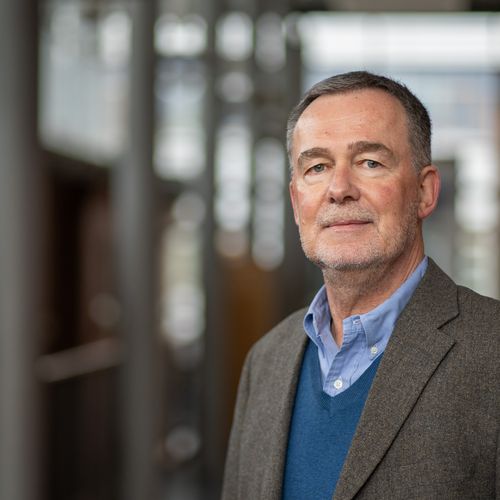
Professor Industrielle Biotechnologie (IBT)
Funktionen:
- Professor Industrielle Biotechnologie (IBT)
- Professor Applied Biotechnology (ABI)
Lehrgebiete:
- Unit-Operations in der Verfahrenstechnik (Master EMT)
- Recht und Sicherheit in der Biotechnik
- Verfahrens- und Prozesstechnik
- Grundlagen der Thermodynamik und Strömungslehre
- Werkstoffkunde und Apparatebau
Vita:
- 1987 - 1993: Studium der "Technologie und Biotechnologie der Lebensmittel" (Dipl.-Ing. Univ.) an der TU München
- 1993-1999: Promotion zum Dr.-Ing. an der TU München (Schwerpunkt: Mechanische Verfahrenstechnik)
- 1999-2003: Industrietätigkeit in leitender Funktion
- 2003 - 2011: Wissenschaftlicher Assistent/Mitarbeiter in leitender Funktion am Lehrstuhl für Verfahrenstechnik disperser Systeme der TU München
- 10/2011 – 09/2012: Professor im Fachbereich Chemieingenieurwesen der FH Münster
- seit 10/2012: Professor für Verfahrenstechnik/Ingenieurwesen an der Hochschule Ansbach
Forschungsaktivitäten:
- Ermittlung der Diffusions- und Transportkoeffizienten der Fokker-Planck-Gleichung beim kontinuierlichen Feststoffmischen in Pulvermischungen unterschiedlicher Konzentrationen Finanzierung: DFG DA 1333 / 1-1
>> Projektbeschreibung (externe Seite)
- Untersuchungen zur Propfenentstehung und dynamischen Porositätsänderungen bei der pneumatischen Dichtstromförderung mittels kapazitiver Tomographie (ETC) Finanzierung: DFG So 118/35-1
>> Projektbeschreibung (externe Seite)
Publikationen:
>> Liste der Veröffentlichungen von Prof. Dr.-Ing. Dauth
Prof. Dr. Dirk Fabritius
Professor Industrielle Biotechnologie (IBT)
0981 4877-329 53.1.3 nach Vereinbarung dirk.fabritius vCard
Prof. Dr. Dirk Fabritius
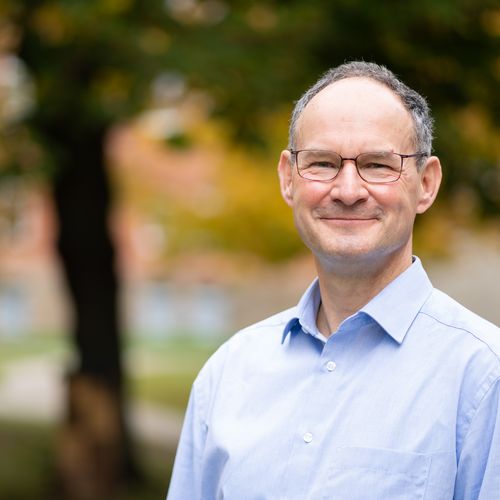
Professor Industrielle Biotechnologie (IBT)
Funktionen:
- Professor Industrielle Biotechnologie (IBT)
- Professor Applied Biotechnology (ABI)
Lehrgebiete:
- Bioverfahrenstechnik
- Chemie
Dipl.-Ing. (FH) Katja Frohnapfel
Laboringenieurin Industrielle Biotechnologie (IBT)
0981 4877-324 92.1.36 nach Vereinbarung katja.frohnapfel vCard
Dipl.-Ing. (FH) Katja Frohnapfel
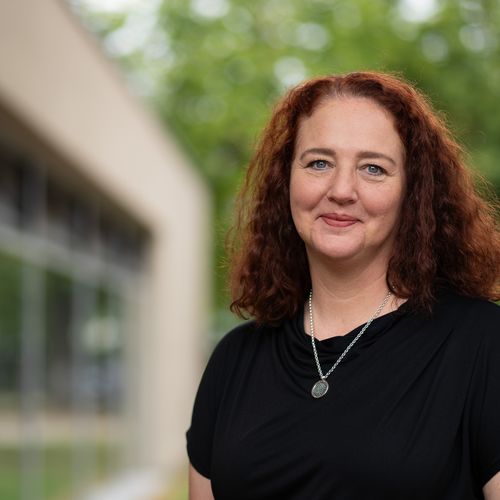
Laboringenieurin Industrielle Biotechnologie (IBT)
Funktionen:
- Laboringenieurin Industrielle Biotechnologie (IBT)
- Laboringenieurin Applied Biotechnology (ABI)
Tätigkeitsfelder:
- Molekularbiologie
- Angewandte Bioanalytik
- Zellkultur
Prof. Dr. Sibylle Gaisser
Professorin Industrielle Biotechnologie (IBT) / Studienfachberatung Industrielle Biotechnologie (IBT)
0981 4877-304 53.1.4 nach Vereinbarung sibylle.gaisser vCard
Prof. Dr. Sibylle Gaisser
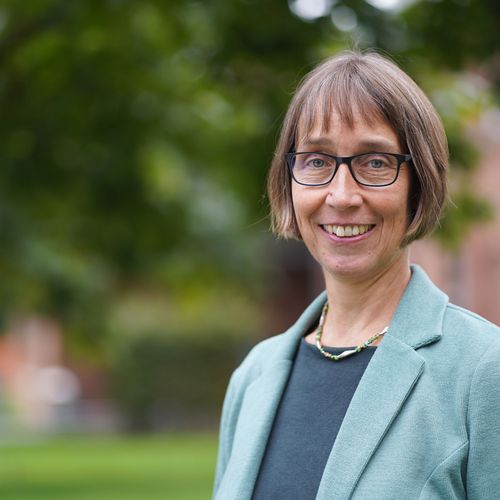
Professorin Industrielle Biotechnologie (IBT) / Studienfachberatung Industrielle Biotechnologie (IBT)
Funktionen:
- Professorin Industrielle Biotechnologie (IBT)
- Studienfachberatung Industrielle Biotechnologie (IBT)
- Professorin Künstliche Intelligenz und Kognitive Systeme (KIK)
- Professorin Applied Biotechnology (ABI)
- Studienfachberatung Applied Biotechnology (ABI)
- Frauenbeauftragte Fakultät Technik
- Kulturbeauftragte der Hochschule
Lehrgebiete:
- Biotechnologie
- Biologie
- Rekombinante Arzneistoffe
- Bioethik
Vita:
- Studium der Technischen Biologie an den Universitäten Stuttgart, Swansea (Großbritannien) und Freiburg
- Promotion in der Pharmazeutischen Fakultät der Eberhard-Karls-Universität Tübingen zum Thema der Antibiotika-BioSynthese und Resistenzmechanismen in Streptomyceten
- Industrie und Forschungstätigkeiten:
- Stellvertretende Geschäftsführerin der Biotechnologie-Agentur Baden-Württemberg
- Senior Scientist und Projektmanagerin am Fraunhofer-Institut für System- und Innovationsforschung, Karlsruhe im Fachbereich "Neue Technologien"
- Weiterbildung und Forschungsaufenthalt zum Thema "Health Technology Assessment" an der Universität Montreal, Kanada - seit 1/2010 Professorin für Biotechnologie und Bioverfahrenstechnik an der Hochschule Ansbach
Forschungsthemen:
- Synthetische Biologie
- Antibiotika-Biosynthese
- Sozioökonomische Analysen und Technikfolgenabschätzung im Bereich der Lebenswissenschaften
Publikationen (Auswahl):
[1] S. Gaisser, T. Reiss (2014): Synthetische Biologie im Spannungsfeld von Forschung, Gesellschaft und Wirtschaft - von der Notwendigkeit eines interdisziplinären und ergebnisoffenen Dialogs. pp. 69 - 90. In "Chancen und Risiken der modernen Biotechnologie". M.Schartl, J.M. Erber.Schropp (Herausgeber). Verlag Springer Fachmedien Wiesbaden
[2] S. Gaisser, T. Reiss (2009): Shaping the science-industry-policy interface in synthetic biology. Systems and Synthetic Biology 2009 Dec;3(1-4):109-14.
[3] S. Gaisser, Reiss T, Lunkes A, Müller KM, Bernauer H. (2009): Making the most of synthetic biology. Strategies for synthetic biology development in Europe. EMBO Rep. 2009 Aug;10 Suppl 1:S5-8.
[4] S. Gaisser, Hopkins MM, Liddell K, Zika E, Ibarreta D. (2009): The phantom menace of gene patents. Nature. 2009 Mar 26;458(7237):407-8.
[5] M. M. Hopkins, D. Ibarreta, S. Gaisser, C,M. Enzing, J. Ryan, P.A. Martin, G. Lewis, S. Detmar, et al.: "Putting pharmacogenetics into practice". Nature Biotechnology 4/2006
[6] Gaisser, S.; Nusser, M.; Reiß, T.: Stärkung des Pharma-Innovationsstandortes Deutschland. Fraunhofer IRB-Verlag (2005), 224 S.
[7] S. Gaisser, A. Trefzer, S. Stockert, A. Kirschning, A. Bechthold: "Cloning of an avilamycin biosynthetic gene cluster from Streptomyces viridochromogenes Tü57". J. Bacteriol. (1997), 179 (20): 6271-6278.
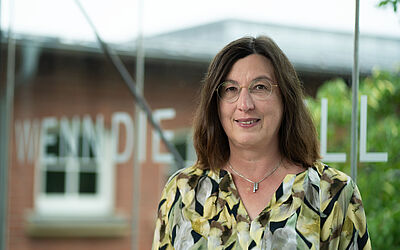
Prof. Dr.-Ing. Anke Knoblauch
Professorin Industrielle Biotechnologie (IBT)
0981 4877-298 53.1.5 nach Vereinbarung anke.knoblauch vCard
Prof. Dr.-Ing. Anke Knoblauch
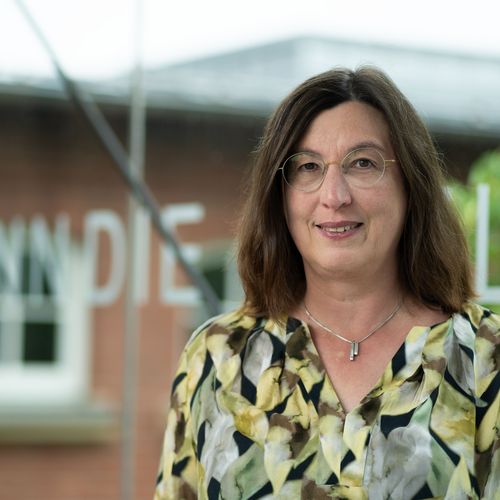
Professorin Industrielle Biotechnologie (IBT)
Funktionen:
- Professorin Industrielle Biotechnologie (IBT)
- Professorin Applied Biotechnology (ABI)
- Studiengangsleiterin Applied Biotechnology (ABI)
- Professorin Internationales Produkt- und Servicemanagement (IPM)
- Studienfachberatung Internationales Produkt- und Servicemanagement (IPM)
- Vorsitzende Prüfungskommission Internationales Produkt- und Servicemanagement (IPM)
Lehrgebiete:
- Lebensmitteltechnologie
- Funktionelle Lebensmittel
- Product Management
- Food Product Development
Dipl.-Ing. (FH) Katrin Köhl
Laboringenieurin Industrielle Biotechnologie (IBT)
0981 4877-330 92.1.38 nach Vereinbarung katrin.koehl vCard
Dipl.-Ing. (FH) Katrin Köhl
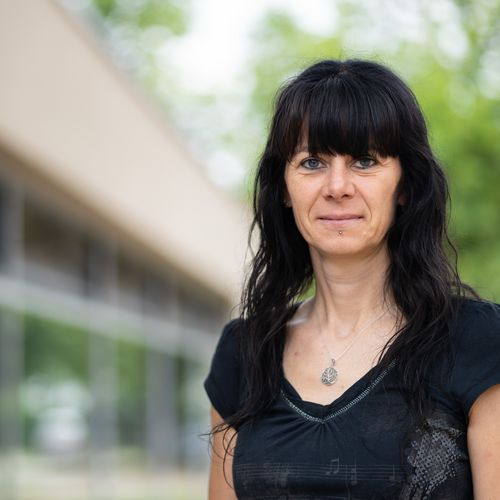
Laboringenieurin Industrielle Biotechnologie (IBT)
Funktionen:
- Technische Referentin Fakultät Technik
- Laboringenieurin Industrielle Biotechnologie (IBT)
- Laboringenieurin Applied Biotechnology (ABI)
- Mitglied im Fakultätsrat Technik
Tätigkeitsfelder:
- Bioprocess Engineering
Downstream Processing
Prof. Dr. Sebastian Künzel
Professor Industrielle Biotechnologie (IBT) / Studiengangsleitung Industrielle Biotechnologie (IBT) / Vorsitzender Prüfungskommission Industrielle Biotechnologie (IBT)
0981 4877-306 53.0.5 Montag 12.00-13.00 Uhr oder nach Vereinbarung sebastian.kuenzel vCard
Prof. Dr. Sebastian Künzel
Professor Industrielle Biotechnologie (IBT) / Studiengangsleitung Industrielle Biotechnologie (IBT) / Vorsitzender Prüfungskommission Industrielle Biotechnologie (IBT)
Funktionen:
- Professor Industrielle Biotechnologie (IBT)
- Studiengangsleitung Industrielle Biotechnologie (IBT)
- Professor Applied Biotechnology (ABI)
- Vorsitzender Prüfungskommission Industrielle Biotechnologie (IBT)
Lehrgebiete:
- Chemie
- Pharmazie
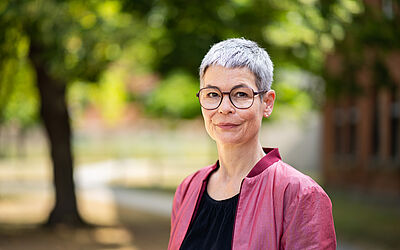
Prof. Dr. Annette Martin
Professorin Industrielle Biotechnologie (IBT) / Praktikumsbeauftragte Industrielle Biotechnologie (IBT)
0981 4877-213 53.0.6 nach Vereinbarung annette.martin vCard
Prof. Dr. Annette Martin
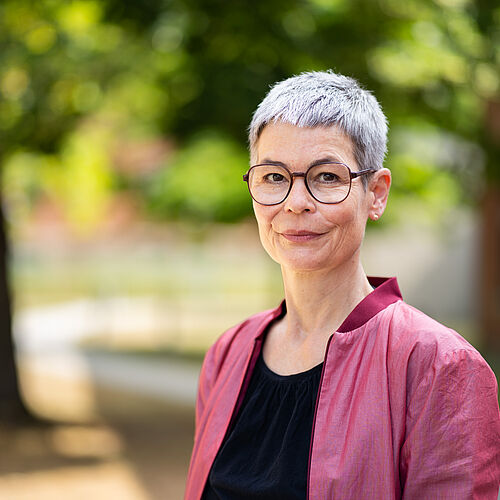
Professorin Industrielle Biotechnologie (IBT) / Praktikumsbeauftragte Industrielle Biotechnologie (IBT)
Funktionen:
- Professorin Industrielle Biotechnologie (IBT)
- Praktikumsbeauftragte Industrielle Biotechnologie (IBT)
- Professorin Applied Biotechnology (ABI)
- Laborleitung Molekularbiologie
- Projektleitung Gentechnik
- Mitglied Senat
Lehrgebiete:
- Molekularbiologie
- Gentechnik
- Bioanalytik
- Zellbiologie und Zellkultur
- Englisch
Vita
- Studium der Biologie an der Albert-Ludwigs-Universität Freiburg
- Promotion am Lehrstuhl für Genetik der Technischen Universität München
Protein-DNA- und Protein-Protein-Interaktionen in der Regulation der Genexpression - Mehrjährige Forschungstätigkeit als Senior Research Scientist bei der Beiersdorf AG Hamburg
- seit 10/2010 Professorin für Molekularbiologie an der Hochschule Ansbach
Forschungsinteresssen
- Nachhaltigkeit im Labor
- Bioanalytische Untersuchung und Bewertung der Zytotoxizität von Konsumgütern
- Lehr-/Lernkonzepte in MINT
Publikationen
Gaisser, S., Martin, A., Knoblauch, A. (2026) Internationalisation in Practice: Navigating the Realities of International Master’s Education in Technical Fields at Bavarian Universities, INTED2026 Proceedings, Article 0889. https://doi.org/10.21125/inted.2026.0889
Martin, A. (2025) Wie Gene und Umwelt uns prägen - Einblicke in das Zusammenspiel von Genetik und Epigenetik. Vortragsreihe des Naturwissenschaftlichen Vereins Ansbach und vhs Ansbach. https://nv-ansbach.de/vortraege/
Gaisser, S., Martin, A., Vaidya, H., Moog, M., & Knoblauch, A. (2025). MINT goes international – Herausforderungen der MINT-Lehre im Zuge der Internationalisierung. Tagungsband zum 6. Symposium zur Hochschullehre in den MINT-Fächern, Nürnberg, 340-349.
Esmaeili, F., Frohnapfel, K., & Martin, A. (2025). Sustainable Lab – Nachhaltigkeit in der praktischen MINT-Ausbildung verankern. Tagungsband zum 6. Symposium zur Hochschullehre in den MINT-Fächern, Nürnberg, 323-330.
Gaisser, S., Knoblauch, A., Martin, A. (2023) Für MINT begeistern – Interesse wecken und Berührungsängste abbauen durch das Ansbacher Modell. Tagungsband zum 5. Symposium zur Hochschullehre in den MINT-Fächern, Nürnberg, 18-24.
Sover, A., Ermster, K., Riess, A. K.-M., Martin, A. (2023) Recycling of Laboratory Plastics Waste - a Feasibility Study on Cell Culture Flasks. In Proc.: 5th International Conference Business Meets Technology. Valencia, 13th-15th July 2023. 67-75. DOI: 10.4995/BMT2023.2023.16729
Hänel, S., Ahlers, M., Martin, A. (2022) Antibiotic-loaded 2D collagen matrices show high biocompatibility with human fibroblasts. Tagungsband 16. ThGOT Thementage Grenz- und Oberflächentechnik und 13. Biomaterial-Kolloquium 14. - 15. Juni 2022, INNOVENT e.V. ISBN 978-3-00-063254-9.
Baumann, T., Bergmann, S., Schmidt-Rose, T., Max, H., Martin, A., Enthaler, B., Terstegen, L., Schweiger, D., Kalbacher, H., Wenck, H., Jedlitschky, G., Jovanovic, Z. (2014) Glutathione-conjugated sulfanylalkanols are substrates for ABCC11 and γ-glutamyl-transferase 1: A potential new pathway for the formation of odorant precursors in the apocrine sweat gland, Exp Dermatol, DOI:10.1111/exd.12354
Martin, A., Hellhammer, J., Hero, T., Max, H., Schult, J. and Terstegen, L. (2011) Effective prevention of stress-induced sweating and axillary malodour formation in teenagers. Int J Cosmetic Sci, 33(1): 90-7
Martin, A., Saathoff, M., Kuhn, F., Max, H., Terstegen, L. and Natsch, A. (2010) A functional ABCC11 allele is essential in the biochemical formation of human axillary odor. J Invest Dermatol 130 (2): 529-40
Wilke, K., Martin, A., Terstegen, L. and Biel, S. S. (2009) Neurobiology of skin appendages: Eccrine, apocrine and apoeccrine sweat glands. Granstein and Luger (Eds) Neuroimmunology of the skin (pp. 167–176), Springer-Verlag Berlin Heidelberg
Wilke, K., Martin, A., Terstegen, L. and Biel, S. S. (2007) A short history of sweat gland biology. Int J Cosmetic Sci 29 (3): 169–179
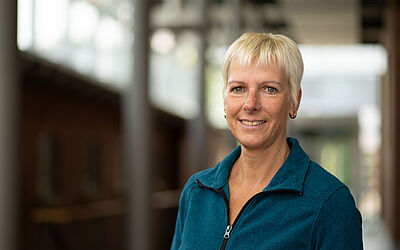
Simone Marxt
Labortechnikerin Fakultät Technik
0981 4877-548 92.1.42 nach Vereinbarung simone.marxt vCard
Simone Marxt
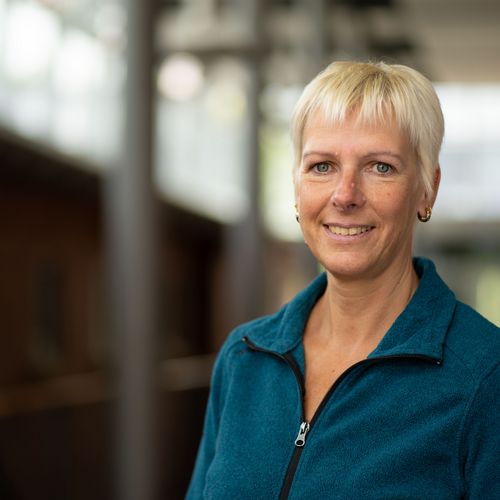
Labortechnikerin Fakultät Technik
Funktionen:
- Labortechnikerin Fakultät Technik
Tätigkeitsfelder:
- Lebensmitteltechnologie Studiengang Industrielle Biotechnologie (IBT)
Silke Reimann
Biologisch-technische Assistentin Fakultät Technik
0981 4877-332 92.0.22 nach Vereinbarung silke.reimann vCard
Silke Reimann
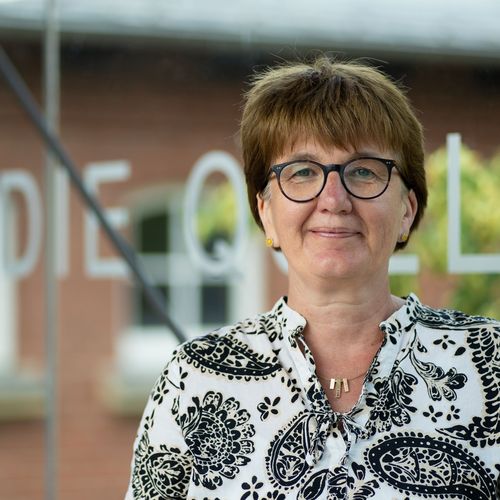
Biologisch-technische Assistentin Fakultät Technik
Funktionen:
- Biologisch-technische Assistentin Fakultät Technik
Tätigkeitsfelder:
- Biotechnologie
Alexander Roll
Fachinformatiker Fakultät Technik
0981 4877-319 92.1.46 nach Vereinbarung alexander.roll vCard
Alexander Roll
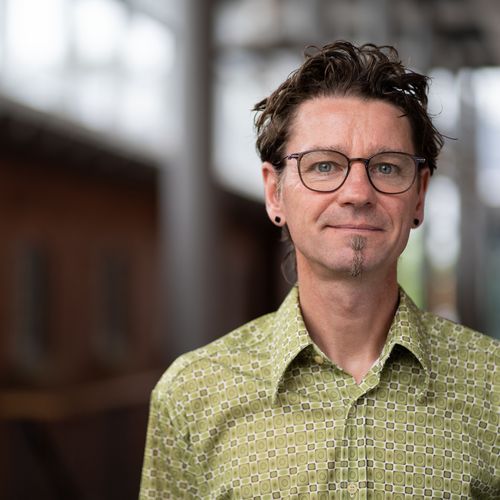
Fachinformatiker Fakultät Technik
Funktionen:
- Fachinformatiker Fakultät Technik
Nina Wachmeier
Technische Assistentin Industrielle Biotechnologie (IBT)
0981 4877-349 92.1.42 nach Vereinbarung nina.wachmeier vCard
Nina Wachmeier
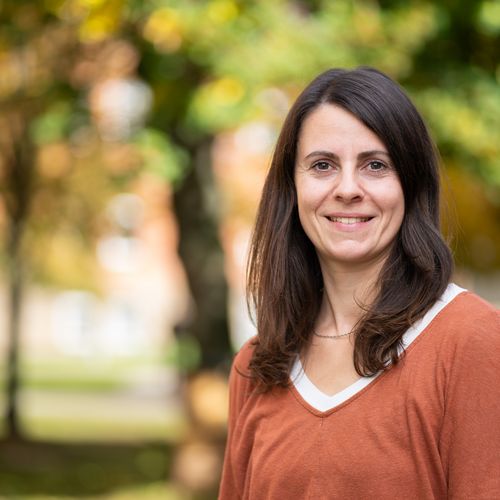
Technische Assistentin Industrielle Biotechnologie (IBT)
Funktionen:
- Technische Assistentin Industrielle Biotechnologie (IBT)

© 2026 Hochschule Ansbach