

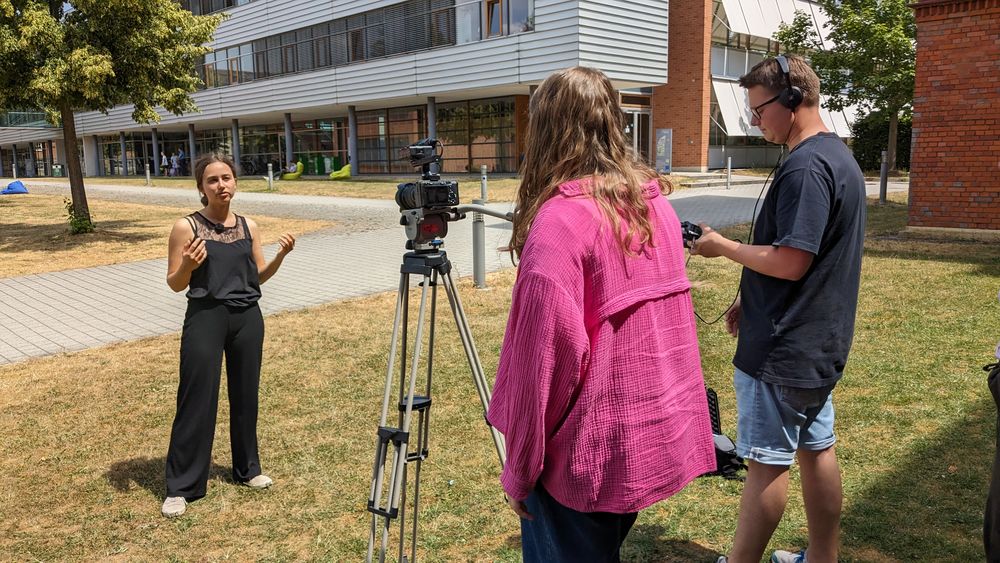
The bachelor's degree programme in Departmental Journalism in Ansbach combines practical journalism with a specialisation that is unique in Germany. In seven semesters, you will learn all the basics of journalism and everything you need to know as a professional: solid research, writing texts and producing podcasts and videos, right through to entire radio programmes, social media formats and cross-media projects. You will work with modern equipment in professional radio and TV studios. You will deal intensively with digital developments and the responsible use of AI in journalism, learn the basics of communication sciences and reflect on the importance of independent journalism in our democracy.
What makes Ansbach's departmental journalism programme special is that from the third semester onwards, you will specialise in a subject area of your choice: politics/economics, culture/lifestyle, sport, medicine or the environment. This allows you to build up in-depth specialist knowledge early on and become an expert in your field. This combination of specialist knowledge and journalistic training is not available at other journalism study locations. This makes you particularly attractive to editorial offices and media companies. A practical semester in an editorial office, a media company or a PR agency rounds off your studies and prepares you optimally for your career start.
| Short form | RJO |
| Type of study | Full time |
| Standard period of study | 7 semesters |
| Award | Bachelor of Arts (B.A.) |
| Start of studies | Winter semester |
| Admission Restrictions | none; four-week basic internship must be completed by the end of the second semester |
| Lecture location | Ansbach |
| Language of instruction | German |
| Course management | Prof. Dr. Nina Diezemann |
| Student advisory service | Prof. Dr. Ismeni Walter |
| Internship Officer RJO | Prof. Dr. Andreas von Bubnoff |

A special feature of Ansbach's Departmental Journalism are the focus modules in the main study period. In line with editorial departments and new innovative subject areas, the students concentrate on a subject of their choice before they complete a practical semester in an editorial office or a media company. Due to their high level of practical and technical competence, graduates of the journalism degree programme can be deployed flexibly – especially, within the interface area of media convergence.
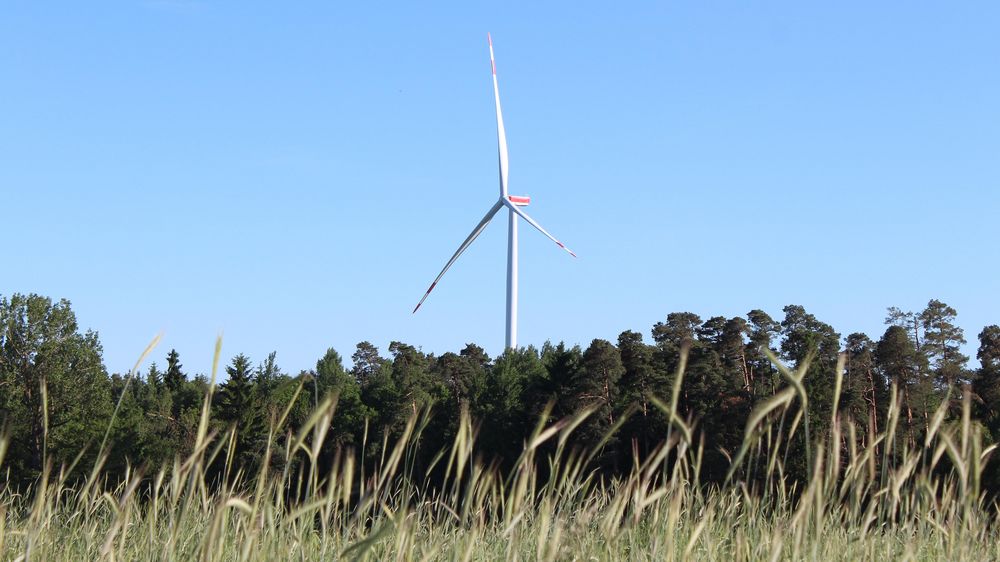
Environment
Cyclones, earthquakes or heat waves make the previously rather abstract references to climate change or the hole in the ozone layer central themes.
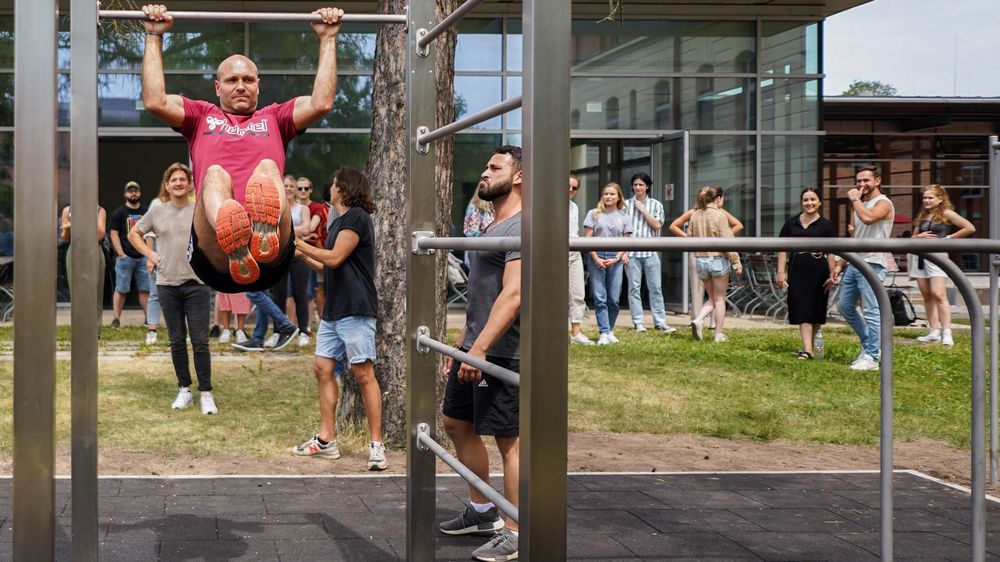
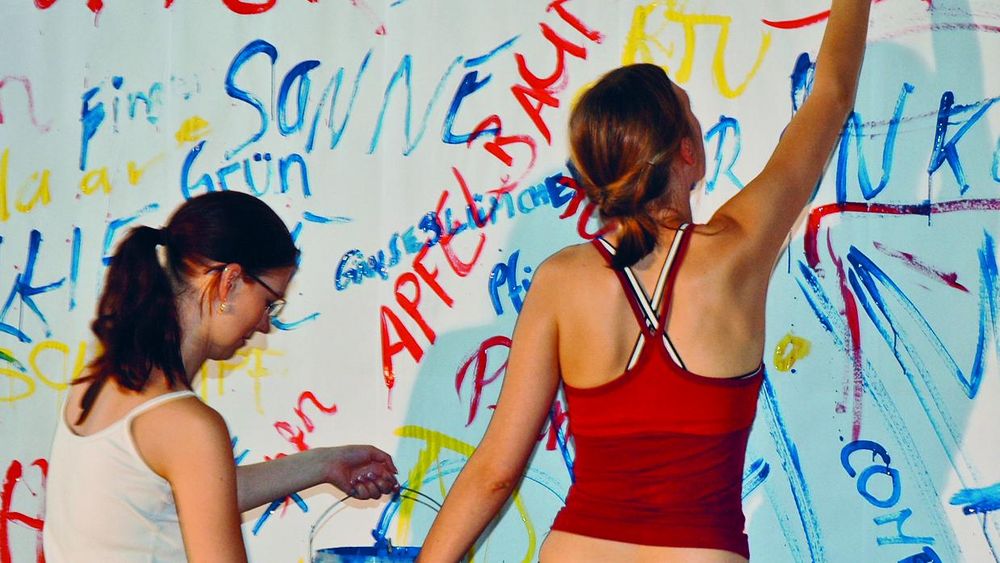
In the first four semesters, students acquire the basic knowledge for qualified journalistic work in all types of media in intensive training units. They are sensitised to the high degree of care and responsibility that the profession requires in times of fake news and digital mass communication. Subjects such as media ethics and media law are therefore just as much a part of the curriculum as research strategies and analysing sources. The accompanying practical study programmes include photojournalism, social media journalism and AI in the media. Modules such as media impact and reception research as well as academic work also teach communication science and theoretical skills.
In order to qualify for a journalistic department, students choose a specialisation from the third semester onwards. This is made up of seven modules in the selected subject area. This includes two practical modules in which students apply their specialist knowledge in journalistic productions such as podcasts or videos.
In the fifth semester, students complete a long-term journalistic internship in a print, digital, social media, TV or radio editorial office. In the sixth semester, they return to the university from their internships and acquire further department-specific knowledge in one of the chosen specialisations and in the respective project modules. The Bachelor's module concludes the degree programme with the written Bachelor's thesis and oral defence before students are awarded the title ‘Bachelor of Arts’.
Additional competences are taught in compulsory elective modules, which students can choose freely. They give them the opportunity to acquire important key qualifications depending on their career goal, aptitude and inclination. Examples of compulsory elective modules are
- Radio production - Rabbit Radio
- Further editorial training
- Interview training
- Multimedia local journalism
- YouTube & Instagram: Video production for journalists
- Consolidation of language skills (e.g. English, Spanish, Italian)

The head of Campusradio is Prof. Dr. Thomas Liesen.
Like its predecessor, ANgedacht, Rabbit radio is transmitted every second Thursday of the month at 20.00 hrs via its partner Afkmax. It offers a mixture of non-mainstream music, interviews, interesting studio guests and journalistic contributions to current topics.
Please click here to go to the Rabbit Radio website (German)!

© 2026 Hochschule Ansbach